Liburnian Town

One of the largest settlements of southern Liburnia

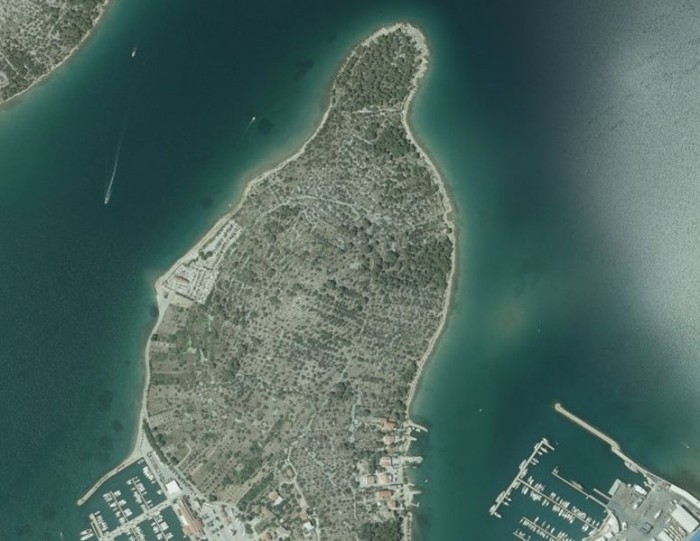
From the 11th century BC, Gradina hill was home to a fortified Liburnian settlement surrounded by massive dry-stone walls. Along with Iader (Zadar), it was one of the two main maritime centres of southern Liburnia, until it was transformed into a Roman town.

Satelitska snimka poluotoka Gradina
From the 11th century BC

Prehistoric settlement

Judging by the dating of finds from the graves on the neighbouring islet of Mali Vinik, the settlement on Gradina certainly existed from the 11th century BC and lasted until its transformation into a small Roman town.

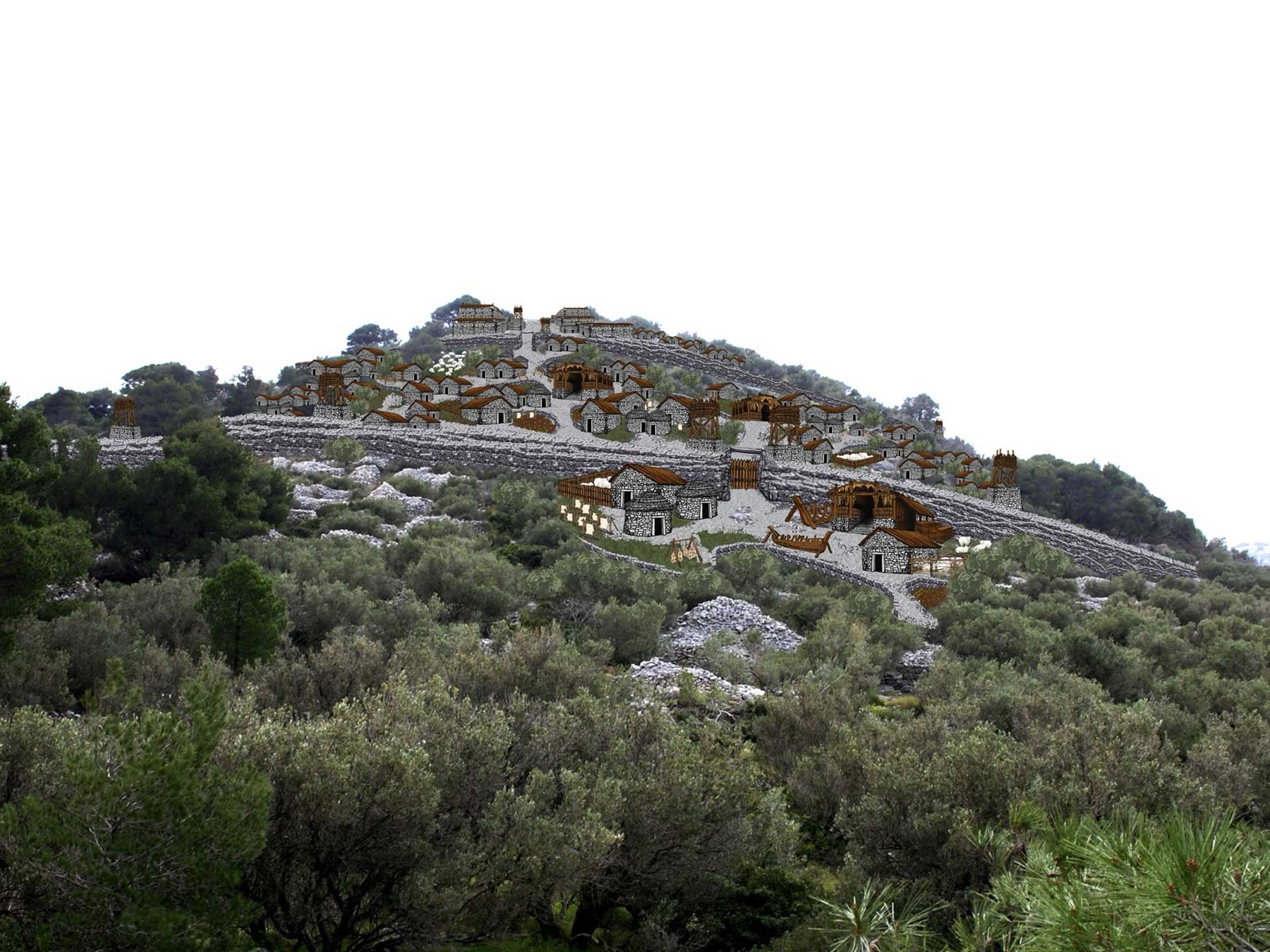
The prehistoric settlement was elliptical in shape and surrounded by walls enclosing an area of about 150 × 200 m, while the entire area around the fortified part is estimated at 10 ha. It is therefore assumed that this was one of the largest settlements in southern Liburnia.
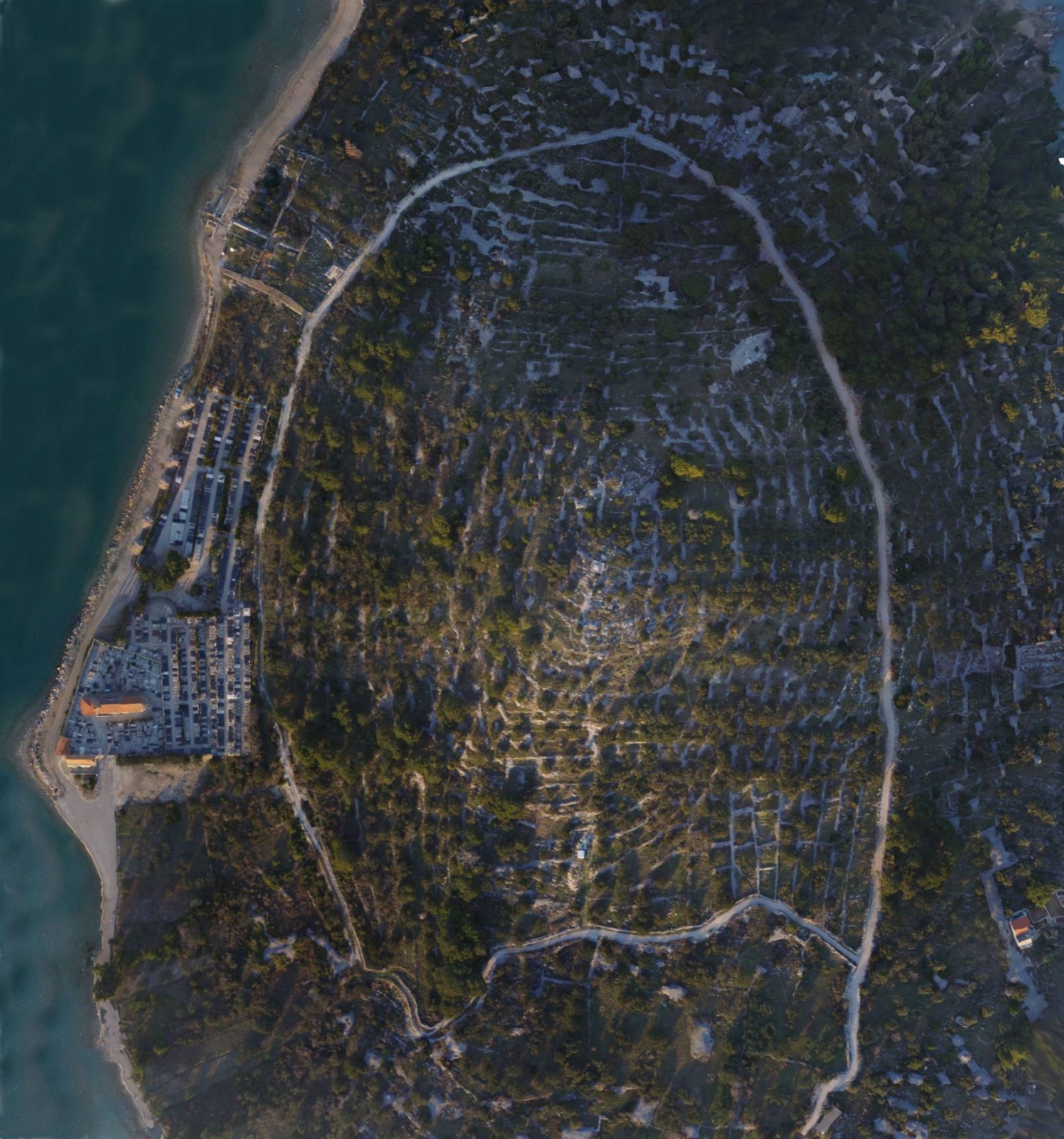
Pogled iz zraka na prsten suhozidnih bedema oko brda Gradina
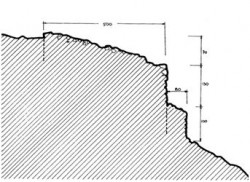
Crtež presjeka suhozidnih bedema s mjerama
Cross-section of the dry-stone walls
Maritime centre

Dry-stone walls

It is assumed that in the late Liburnian period, along with Iader (Zadar), Colentum was one of the two main maritime centres of southern Liburnia.

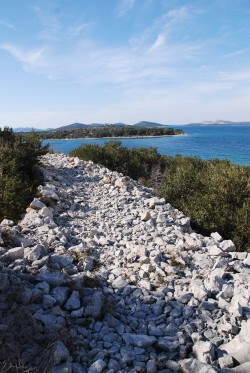
The dry-stone walls of the prehistoric settlement on Gradina were very massive – in some places they reached a width of 4 to 5 metres. Surface fragments of prehistoric pottery dating to the Late Bronze and Iron Ages have been found within the enclosed area.

Vizualizacija liburnskog naselja na brdu Gradina
Ostaci suhozidnog bedema na Gradini s pogledom na more
The walls today
Life on Gradina

Houses cut into the rock

The remains of houses can be seen as very small rectangular structures cut into the rock at the top of Gradina hill and on its western and southern slopes, which were much more pleasant to live on.